Loading...

As IT infrastructure becomes increasingly complex and comprises more components, it becomes more difficult for IT managers to monitor it. One of the most important tools for monitoring infrastructure health, providing alerts, and increasing traceability through reports is Zabbix.

Zabbix is an open-source monitoring platform that collects data from various sources (such as network devices, servers, virtual machines, web applications, software, email services, and databases). Based on the data it collected, it generates alarms, actions, and reports. Offered under the GNU Affero General Public License (GPL), Zabbix is used in over 190 countries worldwide and by numerous companies and sectors, including Banking and Finance, Aviation, Telecommunications, Energy, Healthcare, Retail, Education, and Public Sector, as well as 54 companies on the Fortune 500 list. Another key feature of Zabbix is its integration capability with over 300 other products listed on its official website. By integrating with different products such as servers, databases, virtual environments, web applications, network devices, and IoT devices, Zabbix monitors the health of infrastructure and applications running on it, alerting relevant teams in case of errors or warnings, and enabling the system to be restored to a healthy state.
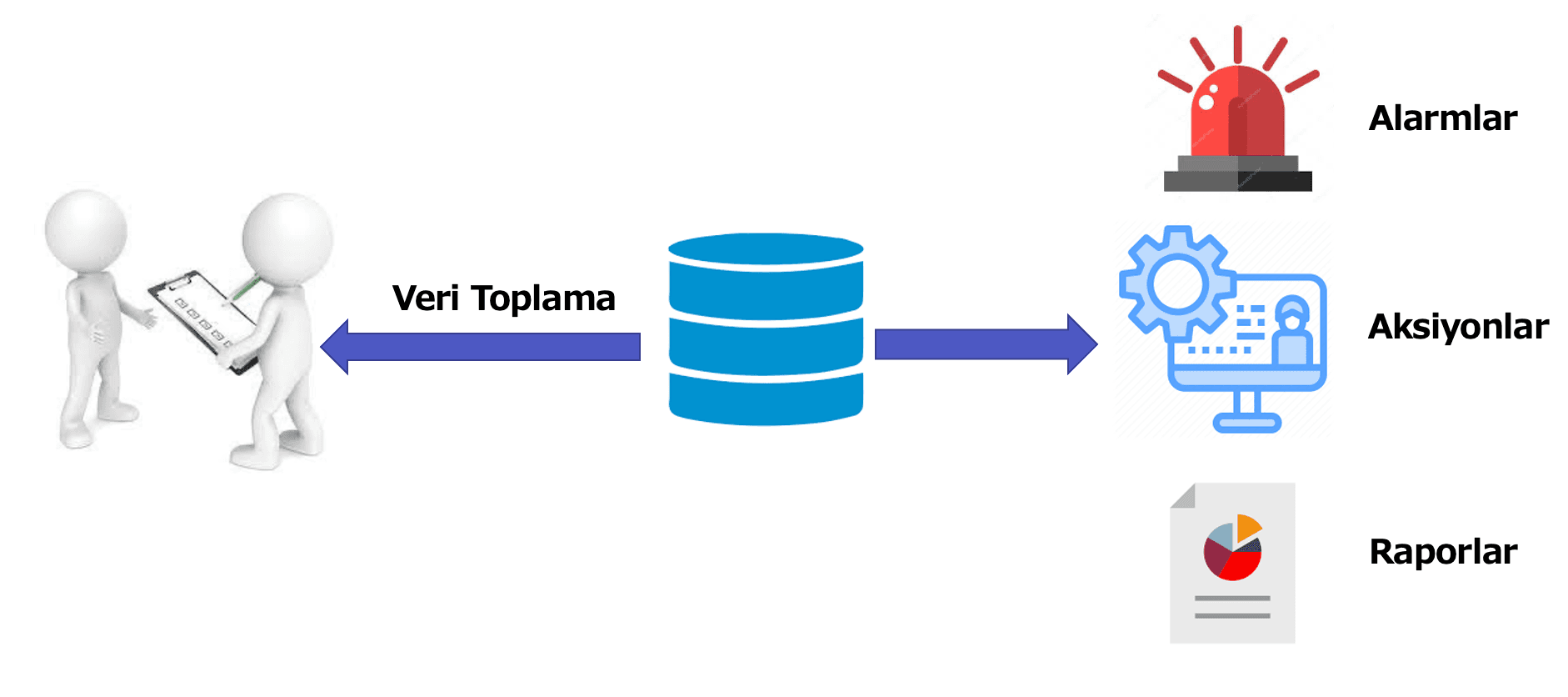
1- Data Collection
Zabbix collects relevant metrics from your infrastructure through different protocols. The collected metrics are later used by reports and alarms. Data collection methods are as follows:
One of Zabbix's most important advantages is its automatic discovery feature. With the help of this feature, Zabbix can:
2- Events and Triggers
Events are generated according to threshold values defined on data collected from different sources. For example:
After events are triggered, different user groups and users are notified through predefined methods according to severity and the trigger rules. With the help of escalation features, Zabbix provides automatic forwarding to the next level if no response is received for the event.
3- Actions
When desired. Zabbix allows automatic or manual actions to be triggered when an event is occurred. For example:
With the help of automatic actions, errors and warnings occurring on the infrastructure are resolved as soon as possible. Help-desk team can use manual actions to resolve problems without having too much technical knowledge.
4- Reports
Zabbix can generate reports on collected data and triggered events. Those reports can be analyzed by management and technical teams. For example:
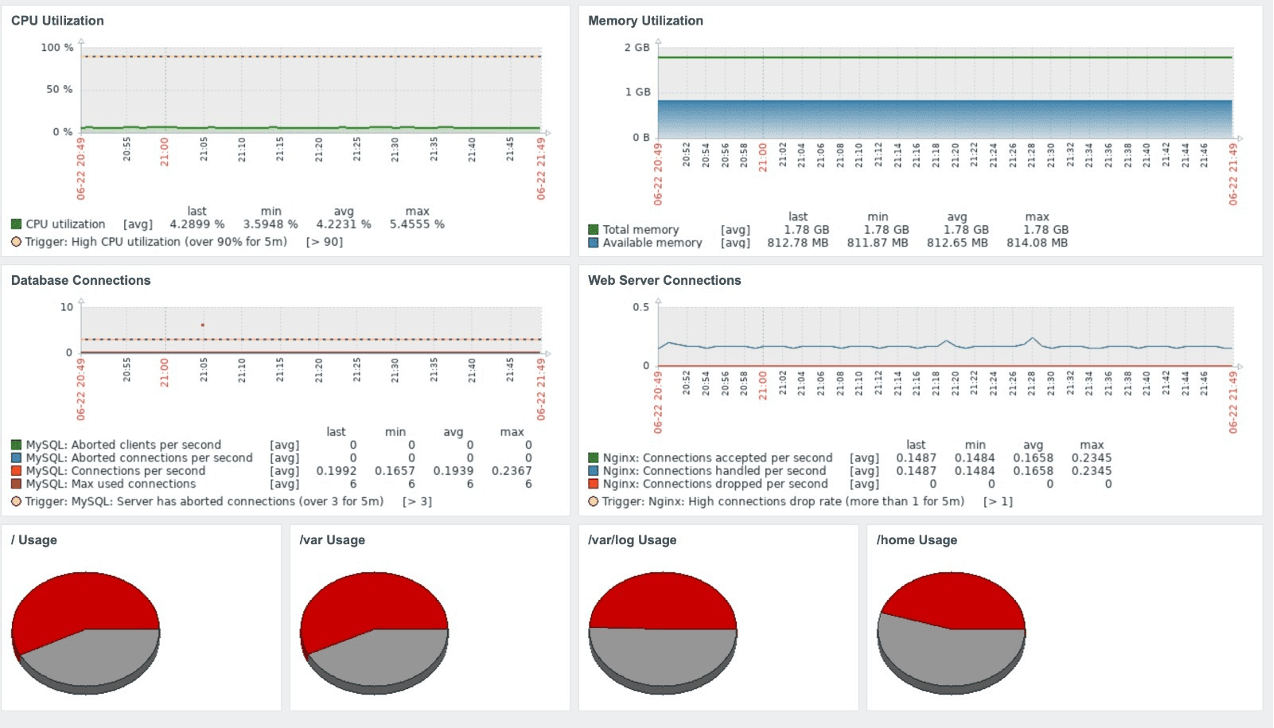
To establish a successful monitoring infrastructure, first you need to ask the right questions:
It should not be forgotten that, as with many infrastructure components, the monitoring infrastructure is a process that changes and evolves with the needs of your IT infrastructure. Making a proper start is the most important method for solving problems that may arise later.
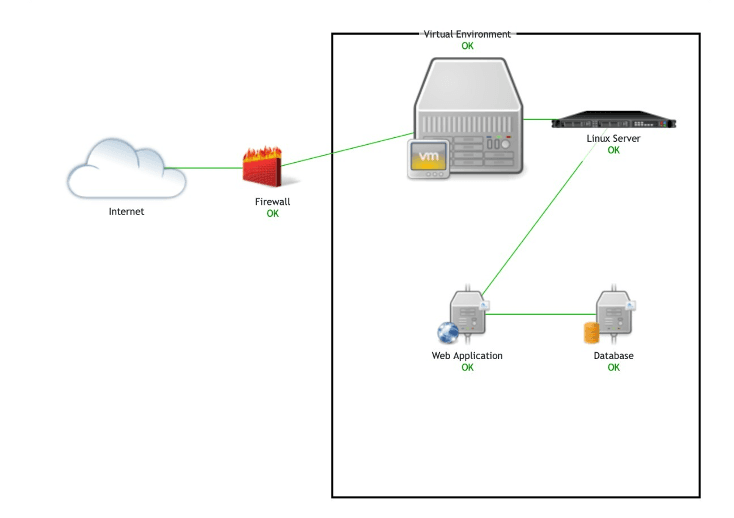
Zabbix installation and implementation stages may vary according to the company's needs. What we try to explain here are the basic installation stages.
Zabbix is a cost-effective and open-source solution that meets your enterprise-level monitoring needs. Without license costs, with its powerful features and broad community support, you can keep your IT infrastructure under control 24/7. You can receive all kinds of installation and consultancy support on Zabbix by contacting us.

APIs and Web Services are often used interchangeably, yet the distinction between them is more important than it seems. So where does this difference really begin, and how did growing integration complexity give rise to the need for API Gateways? This article explores the role of API Gateways and the core capabilities they bring to modern architectures.

Average latency often hides real production issues. This article explains why p95 and p99 latency provide a more accurate view of system reliability and real user experience in high-traffic environments.
API security is often considered solved once tokens are validated. In production, the real risks begin when authorization decisions are made in the wrong layer. This article examines why AuthN vs AuthZ is an architectural concern, not just a security detail.